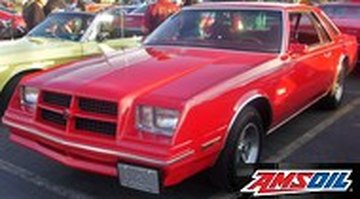
Engine Lubrication Maintenance for the 1981 Chrysler CORDOBA 3.7L
Maintaining a vehicle from the early 1980s requires a shift in perspective compared to modern automotive care. For owners of a 1981 Chrysler CORDOBA equipped with the 3.7L engine, routine lubrication service is a fundamental component of long-term mechanical preservation. Because older engines often operate under different thermal and mechanical stresses than contemporary designs, consistent monitoring of fluid health and system integrity is essential.
Monitoring Fluid Integrity and Potential Seepage
One of the most effective ways to monitor the health of the 3.7L engine is through regular visual inspections for fluid loss. Over time, various seals and gaskets may experience changes in elasticity due to heat cycles and age. Rather than assuming a component has failed, owners should look for evidence of seepage or active leaks around the engine block and sealing surfaces.
When performing routine checks, pay close attention to the following:
- Surface Seepage: Look for oily residue or "wet" areas on the underside of engine components. This can indicate that a seal is beginning to weep.
- Puddle Identification: Regularly check the ground where the vehicle is parked. Any fresh fluid spots should be investigated to determine if they are related to the engine lubrication system.
- Fluid Color and Texture: If you are able to safely check the oil level, observe the appearance of the lubricant. While color can vary based on the type of oil used, extremely dark or gritty textures may warrant closer inspection of the filtration and cleaning capabilities of the current lubricant.
It is important to remember that a small amount of seepage does not always indicate an immediate mechanical crisis, but it does serve as a vital indicator for prioritizing future maintenance tasks.
Prioritizing Maintenance Based on Current Condition
For a vehicle of this age, the most effective maintenance strategy is to prioritize actions based on the actual condition of the machine rather than strictly following arbitrary age-based milestones. If you are stepping into ownership of a 1981 Chrysler CORDOBA without a complete service history, establishing a baseline is your first priority.
To establish this baseline, begin by reviewing any available maintenance records. Knowing when the oil was last changed, what type of lubricant was used, and if any major components were serviced can provide a roadmap for upcoming needs. If no records exist, treat the vehicle as if it requires an immediate comprehensive inspection of all fluid levels and aging materials.
When deciding where to allocate time and resources, address active concerns first. An active leak or a noticeable change in how the engine operates should take precedence over general preventive measures. Once the current state of the engine is stabilized, you can transition into a more proactive schedule of monitoring hoses, belts (if equipped), and electrical connections to prevent future issues.
Observing Potential Warning Signs
While many lubrication issues develop slowly, certain symptoms should prompt immediate investigation. Recognizing these signs early can help prevent more significant mechanical complications.
Changes in the way the engine sounds or behaves can be associated with various lubrication factors. For example, unusual mechanical noises during startup or while idling may indicate that the lubricant is not reaching critical areas as efficiently as it should. Similarly, if you notice an increase in how often you must add oil to maintain the correct level, this warrants a thorough inspection of the engine's sealing surfaces and internal components.
If any warning indicators appear on the dashboard related to the lubrication system, do not ignore them. These signals are designed to alert you to conditions that require professional diagnosis. Always remember that symptoms like unusual odors or smoke can have multiple underlying causes; therefore, they should be viewed as prompts for investigation rather than definitive proof of a specific part failure.
Managing Aging Components and Materials
As vehicles age, the materials used in their construction—such as rubber, plastic, and various elastomers—undergo natural degradation. For the 1981 Chrysler CORDOBA, this means that components like hoses or belts (if equipped) may become brittle or lose their flexibility.
When inspecting these items, look for signs of physical deterioration such as cracking, glazing, or fraying. If a hose feels excessively hard or shows signs of bulging, it should be evaluated for replacement. Similarly, if the vehicle is equipped with accessible drive belts, check them for any signs of wear that could lead to a loss of accessory function. Maintaining these peripheral components is just as important as managing engine oil, as they all contribute to the overall operational stability of the 3.7L engine.
Long-Term Ownership and Record Keeping
The most successful long-term owners of classic or vintage vehicles are those who maintain meticulous records. For your Chrysler CORDOBA, keeping a dedicated log of every oil change, filter replacement, and fluid service provides immense value. This documentation serves two purposes: it helps you track the intervals between services, and it increases the documented history of the vehicle, which is vital for both maintenance planning and future resale.
A good maintenance log should include:
- The date of service.
- The exact type and brand of lubricant used.
- Any parts replaced (such as oil filters or gaskets).
- Observations made during inspections (e.g., "noted slight seepage near the rear seal").
By documenting these details, you move from reactive repairs to informed, proactive management of your vehicle's health.
Practical Guidance for Buying Engine Oil for a 1981 Chrysler CORDOBA 3.7L
When it is time to replenish your engine's lubrication, the most critical step is ensuring that the product you select matches the specific requirements of your application. Because different engines and operating environments require different chemical properties, do not rely on general assumptions about what an older vehicle might need.
To ensure proper protection for your 3.7L engine, match the engine oil to the application-specific viscosity information already displayed on this webpage. Before making a purchase, always verify that the product label meets the appropriate API certification standards currently in use. Depending on your specific needs and the current condition of your engine, you may choose between conventional oils, synthetic blends, or full synthetic formulations. Some high-mileage oil formulations also contain additives intended for use in aging engines, including seal-conditioning additives that may be beneficial for older sealing surfaces.
Always check the product packaging carefully to confirm it aligns with the viscosity and service requirements listed in your vehicle's application data. By following the specific guidance provided on this page, you can ensure that your 1981 Chrysler CORDOBA receives the correct lubrication for continued operation.